Review: Halloween Haunted House Layered Papercut Design
As a designer who spends more time staring at stitch maps than most people care to admit, I approach every new machine embroidery design with a mix of curiosity and skepticism. We've all been there: you buy a file based on a pretty thumbnail, only to find out the stitch density is too high for a towel or the details vanish on a textured sweatshirt. So, when I got my hands on the Halloween Haunted House Layered Papercut, I didn't just look at the preview; I wanted to know how it would actually behave under the needle.
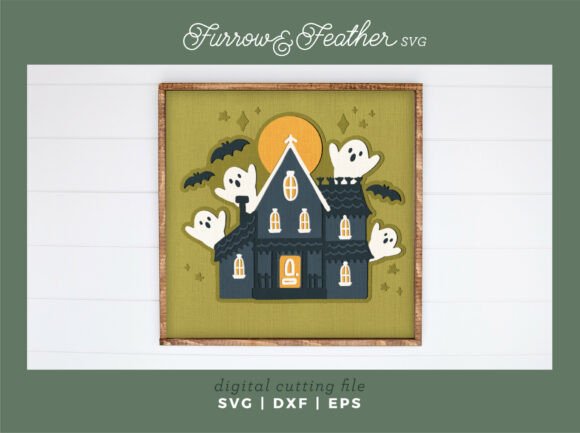
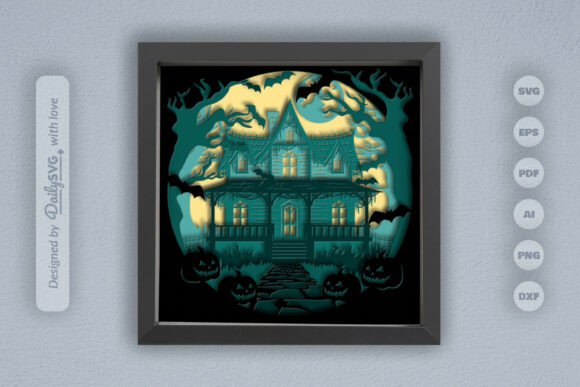
The first thing that strikes you about this design is its mood. It isn't just a spooky house; it captures that specific, whimsical eeriness of a layered paper silhouette. The lines are clean, the shapes are distinct, and the visual personality screams "boutique holiday decor." For those of us running a craft business or selling on Etsy, visual appeal is everything. This design has the kind of graphic clarity that stops a scroll on social media. However, translating a concept originally crafted for smooth cutting and assembly into thread requires a different kind of judgment.
Real-World Application: The Tote Bag Test
To give this embroidery project a fair shake, I imagined a real-life scenario that many of us face every October: a custom order for a local boutique needing a run of limited-edition tote bags. The client wanted something festive but sophisticated—nothing too childish, nothing too gruesome. The Halloween Haunted House Layered Papercut felt like the perfect candidate.
I started by considering the fabric texture. A canvas tote offers a stable base, similar to the cardstock this design mimics. When visualizing the stitch-out, the strong geometric lines of the house suggest that a combination of fill stitch for the main body and a crisp satin stitch border would work beautifully. The layering effect, which is the hallmark of the original 3D SVG concept, can be cleverly replicated in embroidery by using varying thread densities or slightly offset layers if the file allows for separation. If you are an Etsy seller looking to create a handmade product that stands out, this design offers enough complexity to look expensive without being impossible to stitch.
For a personalized gift or a small shop product, the versatility here is key. I could see this working equally well as a sweatshirt embroidery piece on the back of a hoodie, where the larger surface area allows the "layers" to breathe. It also translates well to an embroidered patch, provided the backing is sturdy enough to support the detailed corners of the roofline and windows.
Navigating Technical Challenges
While the aesthetic is strong, we have to talk about the technical realities. This design features intricate corners and potentially fine lines that mimic cut paper. In the world of commercial embroidery, these details are where things can go wrong if you aren't careful.
- Hoop Size Constraints: Before committing, you must confirm the hoop size required. If the design is large, it might not fit on a standard cap frame. Curved surfaces like hats can distort these straight, architectural lines, so I would advise against using this on a structured cap unless you have significant experience with distortion compensation.
- Fabric Compatibility: On stretchy fabrics like thin t-shirts, the dense areas of a haunted house silhouette could cause puckering. You absolutely need to use the right stabilizer. For a project like this, a cut-away stabilizer is often safer than tear-away to maintain the integrity of those sharp, paper-cut angles over time.
- Detail Loss: Tiny windows or delicate fence details might disappear if stitched on dark fabric with low-contrast thread. Always test your thread colors against the background. A black house on a navy shirt might look muddy; consider using a subtle outline or a lighter fill to ensure the finished product retains its definition.
Value and Brand Consistency
Why does this matter for your brand? Because consistency builds trust. If you sell custom apparel or holiday embroidery items, your customers expect a certain level of polish. The Halloween Haunted House Layered Papercut delivers a professional look that elevates a simple pillow cover or tea towel into a decorative art piece. It signals to the buyer that thought went into the design selection, not just a random clip-art dump.
For digital product sellers or those creating printable mockups, this design is a goldmine. Its clean lines render exceptionally well in digital previews, helping you sell the idea before the needle even hits the fabric. However, remember that what looks good on a screen must survive the wash. Dense stitch areas need to be balanced so the handmade product remains soft and wearable, especially if you are targeting the baby embroidery market where comfort is paramount.
Designer Notes for Success
If you decide to integrate this into your lineup, here is my practical advice for ensuring the best results:
- Test on Scrap First: Never skip the test run. Stitch the design on a scrap piece of the actual fabric you intend to use. Check how the running stitch details hold up and if the fill stitches cause any gathering.
- Check Licensing: Since this is a digital embroidery file derived from a cut-file concept, verify the license terms. Can you sell the physical finished product? Can you sell the digitized version? Clarify this before listing items in your small shop.
- Contrast is King: Play with high-contrast thread colors to emphasize the layered look. Sometimes, using two shades of the same color (e.g., charcoal and black) can create a subtle depth that mimics the original papercut style better than a single flat color.
- Inspect Small Details: Zoom in on your software. Are there tiny islands of stitching that might pull out? If so, you may need to manually edit the embroidery file to bridge gaps or simplify complex nodes.
In conclusion, the Halloween Haunted House Layered Papercut is a compelling asset for the creative entrepreneur. It bridges the gap between trendy paper crafts and durable textile art. While it demands respect regarding fabric choice and stabilization, its potential for creating high-value custom apparel and decor is undeniable. With the right preparation and a keen eye for detail, this design can be the centerpiece of a successful holiday collection.