Hockey Time Card: A Dynamic 3D SVG for Sports Branding
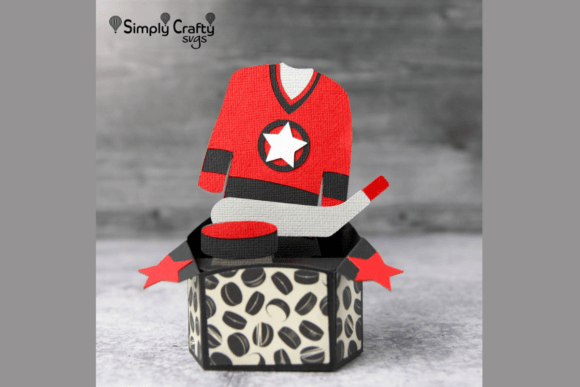
As a brand designer and content marketer, my first interaction with a new graphic design asset is always critical. I need to know immediately if it has the versatility to carry a campaign or if it will end up gathering digital dust in a forgotten folder. Upon reviewing the Hockey Time Card, the initial impression is one of playful energy and tactile engagement. This isn't just a flat image; it is a clever piece of creative design that leverages the mechanics of a hexagon pop-up structure. The mood it creates is undeniably sporty, nostalgic, and community-focused. For brands operating in the Sports niche, this asset offers a unique way to break through the noise of standard rectangular social media posts.
The emotional tone here is celebratory. It speaks directly to the passion of hockey fans, evoking memories of game days and team spirit. While it might feel too casual for a high-end corporate financial report, it is perfectly suited for small business branding, lifestyle content, event promotions, and handmade product marketing. The design suggests a hands-on approach, making it an excellent fit for creators who want their audience to feel a sense of connection and fun.
Integrating Pop-Up Mechanics into Modern Marketing Campaigns
To understand the true value of this asset, let's frame it within a real-world marketing scenario. Imagine a local sports apparel shop launching a "Game Day Gear" collection or a youth hockey league promoting their upcoming season registration. The goal is to create a content kit that feels fresh and interactive. This is where the Hockey Time Card shines as a central visual element. Because it is a 3D SVG, it offers depth that flat clipart simply cannot match.
In terms of brand identity and logo design applications, this asset works best as a supporting hero graphic rather than the primary logo itself. However, for packaging design and product labels, it is exceptional. Imagine a thank-you card included in a shipment of hockey sticks or jerseys; using this pop-up design transforms a simple note into a memorable unboxing experience. For social media graphics, particularly on Instagram and Pinterest, the dimensional look of the jersey, puck, and hockey stick design grabs attention instantly. It stops the scroll because the eye is drawn to the illusion of depth.
When building digital ads or Facebook ads, this illustration can serve as the focal point to drive higher engagement. It adds a layer of professionalism and creativity that signals to the audience that the brand cares about quality. Whether used in editorial design for a sports blog or as a header for an email banner, the asset helps establish a clearer visual hierarchy. It guides the viewer's eye naturally toward the call-to-action when placed correctly alongside bold typography.
Strategic Applications for Audience Trust and Engagement
The ultimate goal of any content marketing effort is to build audience trust and foster an emotional connection. The Hockey Time Card supports these goals by humanizing the brand. It moves away from sterile, stock-photo aesthetics and embraces a more artisanal, modern design feel. This is crucial for small business branding where personality is a key differentiator.
This digital product excels in specific areas of the marketing funnel:
- Hero Graphics: Use it on landing pages for seasonal offers to create an immediate thematic connection.
- Campaign Headers: Perfect for newsletter headers announcing tournament schedules or fan meetups.
- Branded Templates: Incorporate it into Canva templates sold to other coaches or team managers.
- Packaging Accents: Print it as a sticker or insert to enhance the physical product experience.
- Promotional Banners: Ideal for website sliders during playoff seasons or major sporting events.
However, discernment is key. There are scenarios where this asset should be used carefully. In formal corporate branding or dense information layouts, the playful nature of the pop-up might distract from the core message. Similarly, on very small mobile graphics where detail is lost, the intricate folds of the hexagon design might become muddy. It is also not suitable for overly minimal brands that rely on stark simplicity, nor should it be placed on low-contrast backgrounds where the details of the jersey and stick disappear. In text-heavy ads, ensure the asset does not compete with the headline; it should complement, not clutter.
Designer Notes: Optimization and Technical Execution
From a technical standpoint, integrating the Hockey Time Card into your workflow requires a few strategic checks. First, test it with your specific brand color palette. While the default colors are vibrant, recoloring the SVG to match your team or brand hues is essential for professional branding. Always check how the design performs in black and white, especially if you plan to use it for printable design materials like flyers or monochrome merchandise.
Placement is everything. Before finalizing any marketing visuals, place the asset inside real campaign mockups. Preview it on mobile screens to ensure the SVG design scales correctly without losing definition. Test readability if you are overlaying text; the busy nature of a pop-up design means you need ample negative space around your typography. Compare it against competitor visuals to ensure your content bundle stands out in the creative marketplace.
Typography pairing is another critical consideration. This asset pairs beautifully with bold sans serif fonts that mimic sports jersey numbering, but it can also contrast nicely with handwritten fonts to emphasize the "hand-crafted" feel of the card. Avoid delicate serif fonts that might get lost against the strong lines of the hockey stick and puck. Review the spacing and balance carefully; the hexagon shape demands a centered or symmetrical layout to look its best.
Finally, and perhaps most importantly, confirm the commercial license before using this in paid campaigns, client work, or business branding. Understanding the usage rights ensures that your digital ads and web design projects remain compliant. When used correctly, the Hockey Time Card is more than just a file; it is a versatile tool for creating memorable, engaging, and visually stunning campaigns that resonate deeply with sports enthusiasts.