Hello Summer Door Hanger Laser File Review
As a designer who spends more time staring at stitch simulations than actual sunlight, I approach every new digital embroidery file with a mix of curiosity and skepticism. When I first pulled up the Hello Summer Door Hanger Laser File, my initial reaction wasn't about the thread count or the underlay strategy—it was about the vibe. There is a specific mood that summer designs need to hit: they must feel breezy, welcoming, and slightly nostalgic without tipping into cliché. This design, originally intended as a 3D SVG for laser cutting on 3mm material, presents a unique challenge and opportunity for us embroidery artists. Can a vector file built for rigid wood translate effectively into the soft, textured world of machine stitching? After running some mental simulations and reviewing the layout, here is my practical take on how this asset fits into a real-world embroidery project.
First Impressions: Shape, Flow, and Visual Personality
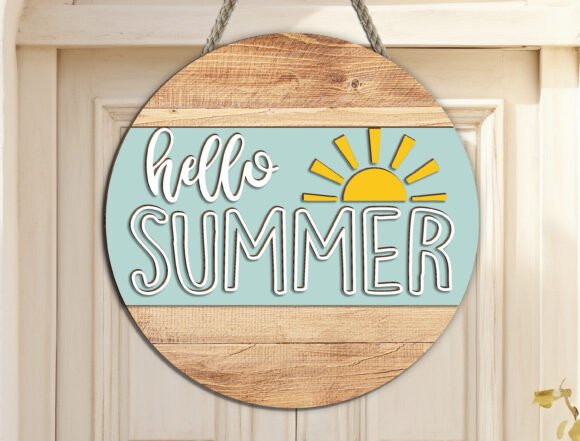
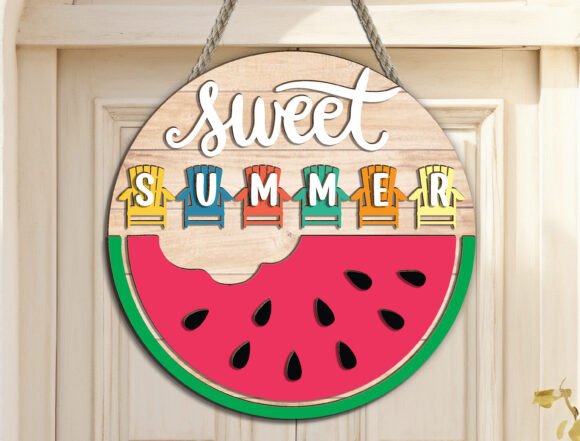
The first thing you notice about the Hello Summer Door Hanger Laser File is its structural confidence. Because it was engineered for laser cutting, the lines are clean, bold, and purposeful. There is no fuzzy edge work or overly intricate detailing that often gets lost when scaling down for a 4x4 hoop. The typography likely features strong, readable lettering that says "Hello" with a friendly wave, paired with summer motifs like suns, waves, or floral accents that define the season.
For an embroidery designer, this clarity is a gift. The open spaces in the design suggest excellent opportunities for creative fill techniques. Where a laser cutter would simply remove material, we can introduce satin stitch borders for definition or dense fill stitch areas to add texture and weight. The layout feels balanced, avoiding the common pitfall of top-heavy designs that look awkward when stitched onto hanging textiles. It creates an immediate sense of warmth, making it an ideal candidate for products meant to greet guests or celebrate the change of seasons.
Real-World Application: From Digital Asset to Finished Product
Let's move beyond theory and imagine a real scenario. Picture a small shop owner preparing for a upcoming craft fair or updating their Etsy listings with seasonal inventory. They need a handmade product that screams "summer" but also holds up to scrutiny. I can see the Hello Summer Door Hanger Laser File working beautifully as a large-scale appliqué on a heavy canvas tote bag design.
In this context, the bold shapes of the original SVG become the perfect template for fabric appliqué. You could cut bright yellow and coral fabrics to match the summer theme, secure them with a tack-down stitch, and finish with a crisp satin border. The result is a high-value custom apparel or accessory item that looks professional and expensive. Alternatively, consider a oversized linen pillow cover for a porch swing. The design's inherent sturdiness translates well to home decor, where the stitch density can be increased to create a tactile, almost sculptural effect that mimics the depth of the original 3mm laser concept.
For those focusing on baby embroidery or nursery decor, this design could be scaled down (if the license permits) for a whimsical wall hanging. However, one must be careful with the smaller details. The "Summer" category implies brightness, so selecting the right thread colors is crucial. High-contrast combinations will make the design pop, while tonal threads might offer a more sophisticated, boutique look suitable for higher-end small shop product lines.
Technical Considerations and Fabric Compatibility
While the design is visually striking, translating a laser file concept to embroidery requires technical foresight. Since this file was created for 3mm thick material, it lacks the inherent pull compensation and underlay structures found in native machine embroidery design formats. If you are digitizing this yourself or adapting an existing file, pay close attention to fabric texture.
On stretchy fabrics like jersey knits used for t-shirts or sweatshirt embroidery, the large solid areas typical of laser designs can cause puckering if not properly stabilized. A cut-away stabilizer is non-negotiable here to maintain the shape of the "Hello" lettering and prevent distortion over time. Similarly, if you attempt this on a curved surface like a cap, the rigidity of the original design layout might fight against the curve of the crown. In such cases, breaking up large fill areas with running stitches or texturing techniques can reduce bulk and improve drape.
Be wary of tiny lettering or fine corners if you plan to scale the design down significantly. What looks crisp on a screen or in wood can turn into a bird's nest of thread if the stitch count is too high for the area. Always test the design on scrap fabric first. Check how the running stitch outlines behave on dark fabric versus light fabric. A design that relies on negative space in laser cutting might need a dedicated background fill in embroidery to ensure readability on patterned or dark textiles.
Enhancing Brand Value and Customer Trust
Ultimately, the success of using the Hello Summer Door Hanger Laser File in your craft business comes down to the perceived value of the finished product. Customers today are savvy; they can tell the difference between a rushed job and a thoughtful creation. By taking the time to adapt this design properly—choosing premium threads, ensuring clean trims, and selecting appropriate fabrics—you elevate a simple download into a signature piece.
This design has the potential to boost buyer engagement because it taps into the emotional desire for seasonal renewal. Whether it's used for holiday embroidery gifts, wedding favors, or personalized home goods, the execution determines the reception. A well-stitched version of this design signals professionalism and attention to detail, fostering customer trust and encouraging repeat business. For digital sellers, offering mockups that show this design on various textures—from rough burlap to smooth cotton—can help buyers visualize the potential, increasing the likelihood of a sale.
Final Designer Notes and Best Practices
Before committing this design to a client project or adding it to your inventory of design assets, keep these practical steps in mind:
- Verify Licensing: Since this is an instant download originally for laser use, confirm the license terms regarding commercial embroidery use. Ensure you are allowed to sell physical items made with this design.
- Check Hoop Size: The original layout may be large. Confirm that your machine's hoop size can accommodate the design or plan for a multi-hoop project if scaling up.
- Test Stitch Density: If digitizing from the SVG, avoid overly dense fills that make the fabric stiff. Aim for a balance that provides coverage but retains drape.
- Contrast Matters: Review the design in black and white mockups to ensure the shapes remain distinct without relying solely on color.
- Stabilizer Selection: Match your stabilizer to the fabric weight. Heavy designs need strong support to prevent sagging, especially on door hangers or wall art.
The Hello Summer Door Hanger Laser File is a versatile starting point for creative entrepreneurs willing to put in the extra thought required to bridge the gap between laser cutting and embroidery. With the right adjustments and a keen eye for detail, it can become a standout element in your summer collection, bringing joy to customers and credibility to your brand.